
iPhone 18 Release Date, Price, Colors, Camera & Latest Rumors (2026)
Apple has never split an iPhone launch quite like this before. For nineteen straight years, September meant one event, one lineup, one moment where every new iPhone showed up on stage together. That changes with the iPhone 18. This year, Apple is reportedly breaking its own lineup into two separate launches, and if you’ve been trying to figure out what that means for your upgrade plans, you’re not the only one.
This guide pulls together everything currently known about the iPhone 18 series: the release date, pricing, design changes, camera upgrades, and the growing pile of leaks that have been landing almost weekly since June. Some of this is close to confirmed. Some of it is still rumor-mill territory. We’ll be upfront about which is which.
When Is the iPhone 18 Coming Out?
This is the question everyone’s actually asking, and the honest answer is: it depends which iPhone 18 you mean. For years, “when is the iPhone coming out” had one answer a Tuesday or Wednesday in September. That’s still true for part of the lineup this year. Reports point to a keynote around September 9, 2026, with pre-orders opening that Friday and phones shipping to customers roughly a week later, following Apple’s usual rhythm.
But here’s the twist. Instead of unveiling the entire iPhone 18 family at once, Apple is reportedly splitting the release across two windows. The iPhone 18 Pro, iPhone 18 Pro Max, and Apple’s long-awaited first foldable iPhone are expected to headline the September event. The standard iPhone 18, the model most people actually buy, isn’t expected to show up until spring 2027, alongside a new iPhone 18e and possibly a second-generation iPhone Air.
If you want the full breakdown of dates, keynote timing, and how this compares to past launches, we’ve put together a dedicated iPhone 18 release date guide that tracks every update as it comes in.
Why would Apple do this? The leading theory is capacity and focus. A foldable iPhone is a genuinely new category of hardware for Apple, with new manufacturing challenges, new hinge engineering, and new supply chain relationships. Putting all of that alongside two Pro models in one event, then giving the standard lineup its own spotlight months later, may simply be easier to execute, and it gives Apple a second major hardware moment in the news cycle instead of one.
New iPhone 18: What’s Actually Changing This Year
Every iPhone cycle brings some combination of a new chip, a camera tweak, and a handful of software-driven features. The iPhone 18 generation looks a little different because so much of the story isn’t about the phone in your hand; it’s about the phone Apple hasn’t made before.
Here’s the shortlist of what’s expected across the new iPhone 18 lineup:
- A move to a 2-nanometer manufacturing process for the A20 chip family, Apple’s first jump to this node
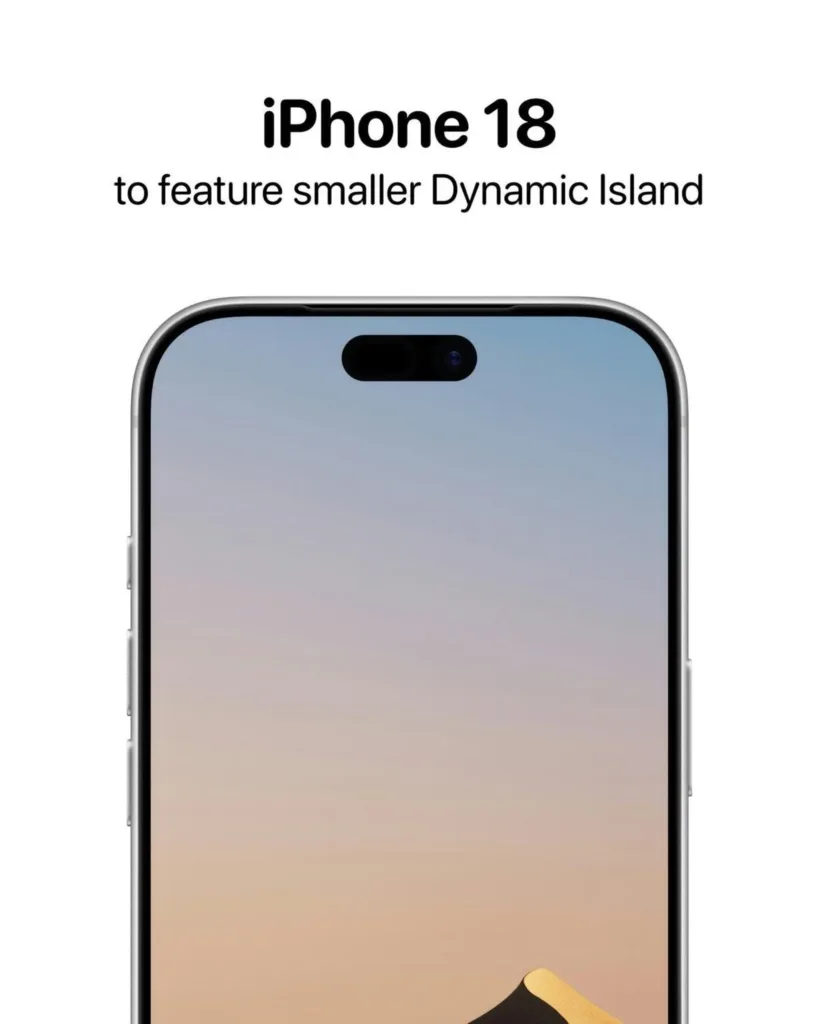
- A visibly smaller Dynamic Island, with under-display Face ID doing more of the work that used to require a visible cutout
- Apple’s own C2 modem, expanding satellite connectivity features
- A larger camera bump on the Pro models, hinting at bigger sensors or a more capable zoom system
- The debut of Apple’s first foldable iPhone, arriving alongside the Pro models
None of these are confirmed by Apple yet; the company typically stays silent until the keynote itself. The pattern across multiple independent leakers and supply chain reports is consistent enough that most of this is treated as close to certain within the Apple rumor community.
iPhone 18 Pro and iPhone 18 Pro Max: What’s Different
The iPhone 18 Pro and iPhone 18 Pro Max are shaping up to be the most significant Pro upgrade in a couple of years, mostly because of what’s happening inside rather than what you’ll notice at a glance.
Design-wise, don’t expect a dramatic overhaul. Both models are expected to keep the same general silhouette as the iPhone 17 Pro line, a triple-lens rear camera system sitting on a camera plateau, the same 6.3-inch and 6.9-inch screen sizes, and a similar overall footprint. Where things shift is in the details: a noticeably smaller Dynamic Island thanks to under-display Face ID, a slightly thicker and heavier build in some leaks, and a Ceramic Shield area around the MagSafe ring that’s rumored to look subtly different, though nobody’s entirely sure what that will mean visually yet.
Under the hood, the headline change is the A20 Pro chip, Apple’s first built on a 2-nanometer process. That’s a meaningful jump in chip manufacturing terms; it typically means better performance per watt, which usually translates into either longer battery life or more headroom for AI-driven features, and sometimes both.
The two models are expected to stay differentiated the way they always have: the Pro Max gets the bigger screen, bigger battery, and slightly more headroom for camera hardware, while the standard Pro packs the same core technology into a more compact body. If you’re deciding between the two, that trade-off of size and battery versus pocketability remains the deciding factor, just as it has for the last several generations.
One detail worth flagging for anyone comparing the two models closely: leaked diagnostic logs suggest the core camera hardware sensor choice, aperture behavior, and telephoto reach will be shared between the Pro and Pro Max rather than reserving the best hardware for the larger model. That’s been the case for the last couple of generations too, so it’s not a surprise, but it does mean the decision between the two really comes down to how the phone feels in your hand and how much battery life matters to you, not which one takes better photos.
Storage tiers are another area to watch. There’s chatter that Apple could quietly drop the entry-level storage option on the Pro line this cycle, effectively raising the real-world starting price even if the headline number stays the same. Nothing here is confirmed, but it’s the kind of move analysts point to when they talk about Apple “protecting margins” without technically announcing a price hike, worth keeping in mind if you’re budgeting for launch day.
iPhone 18 Pro Price: How Much More Will It Cost?
This is where the rumors get genuinely contentious, because analysts don’t agree.
On one hand, firms like IDC have floated a price increase of up to $200 for the iPhone 18 Pro and Pro Max, pointing to a broader wave of Apple price hikes across Macs and iPads this year, driven largely by rising memory and storage chip costs. Apple’s own leadership has acknowledged that component pricing, memory in particular, has become a real pressure point, with surging demand from AI data centers pushing chip costs up industry-wide.
On the other hand, at least one well-regarded analyst has suggested Apple may hold the line and keep iPhone 18 Pro and Pro Max pricing flat at current levels, arguing that Apple would rather absorb some margin pressure than risk dampening upgrade demand with a sticker-shock increase. Under that scenario, pricing would stay close to where the iPhone 17 Pro line landed.
The honest takeaway: nobody outside Apple actually knows yet, and the range on the table right now runs from “no change” to “up to $200 more” depending on which source you trust. If pricing matters to your upgrade decision, it’s worth waiting for the keynote itself rather than budgeting around a leak.
iPhone 18 Pro Deep Red: A New Color Worth Talking About
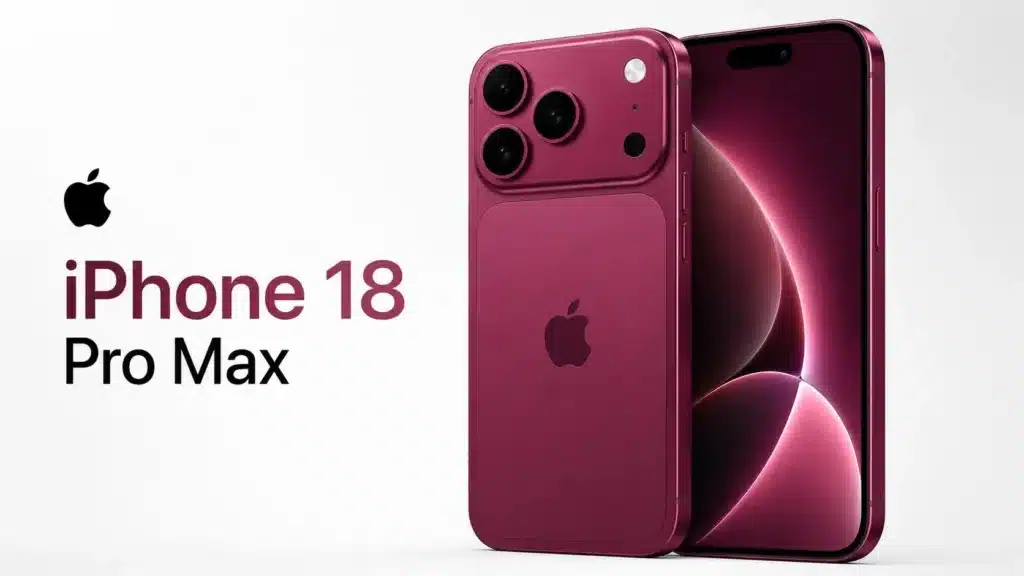
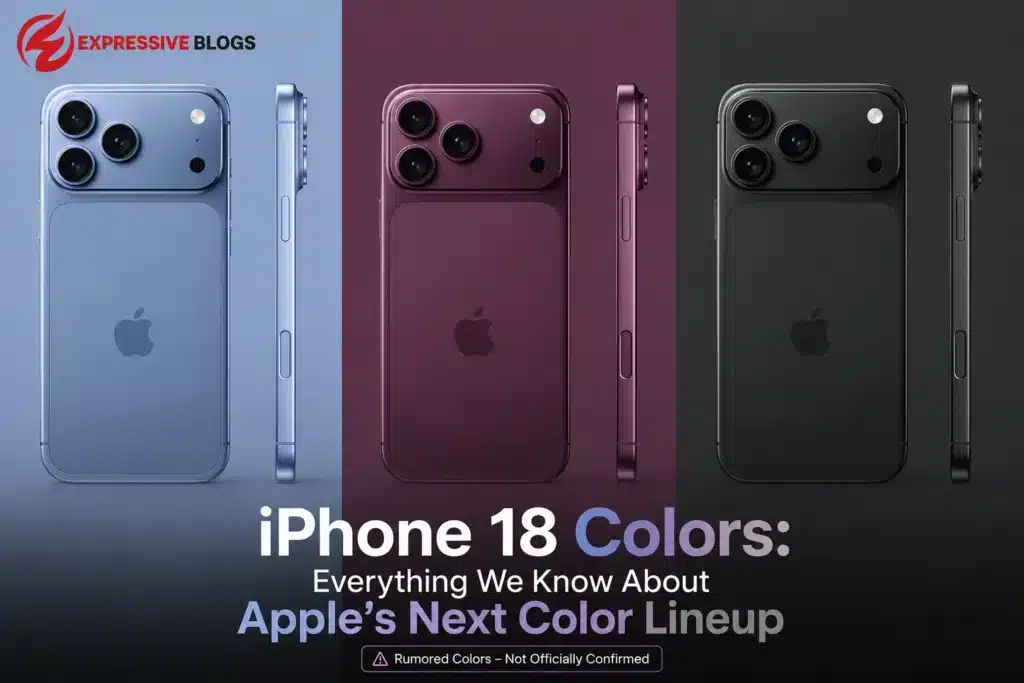
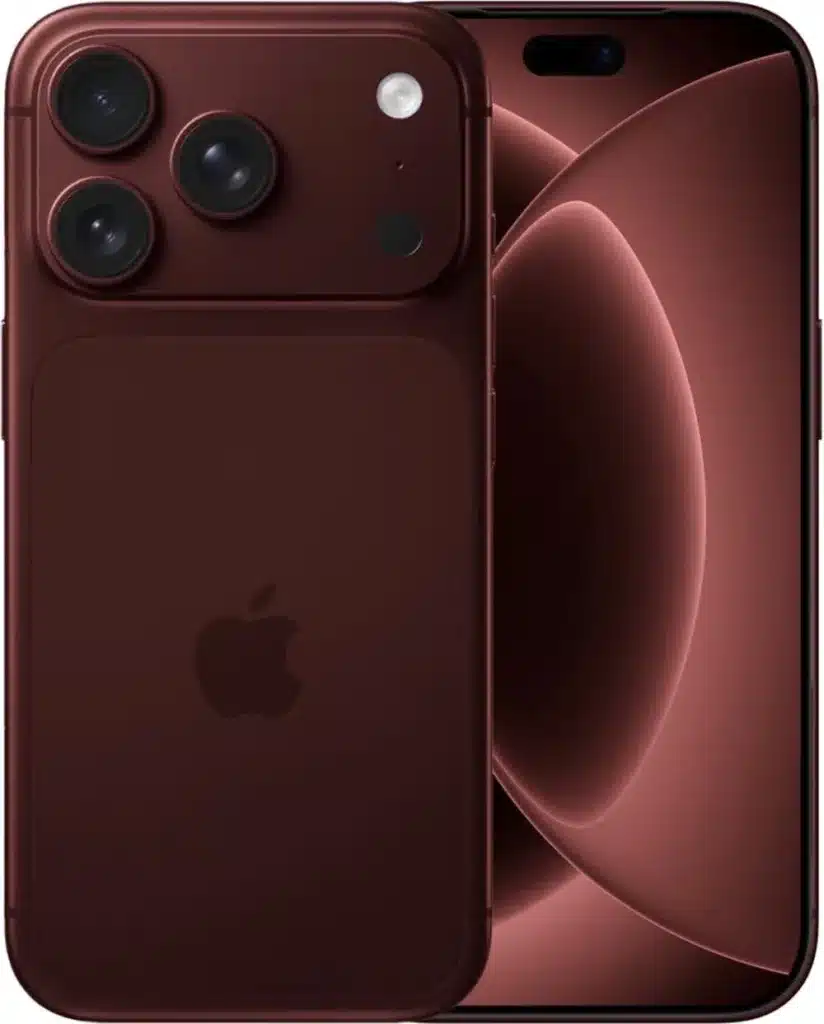
Apple usually saves one standout color for its Pro lineup each year, and for 2026 the rumor is a shade being called “deep red” or “dark cherry,” described as a darker red with a hint of purple running through it rather than a bright, traditional red.
Early dummy units that have leaked show this color sitting alongside light blue, dark gray, and silver as the expected four-color lineup for the iPhone 18 Pro and Pro Max. If the leaks hold up, this would be one of the more distinctive Pro colorways Apple has shipped in a while; most recent Pro color options have leaned toward muted, understated tones, so a genuinely bold red option would be a departure.
For the complete rundown of every rumored shade across the whole lineup, not just the Pro models, check our dedicated iPhone 18 colors guide, which we’re updating as new leaks surface.
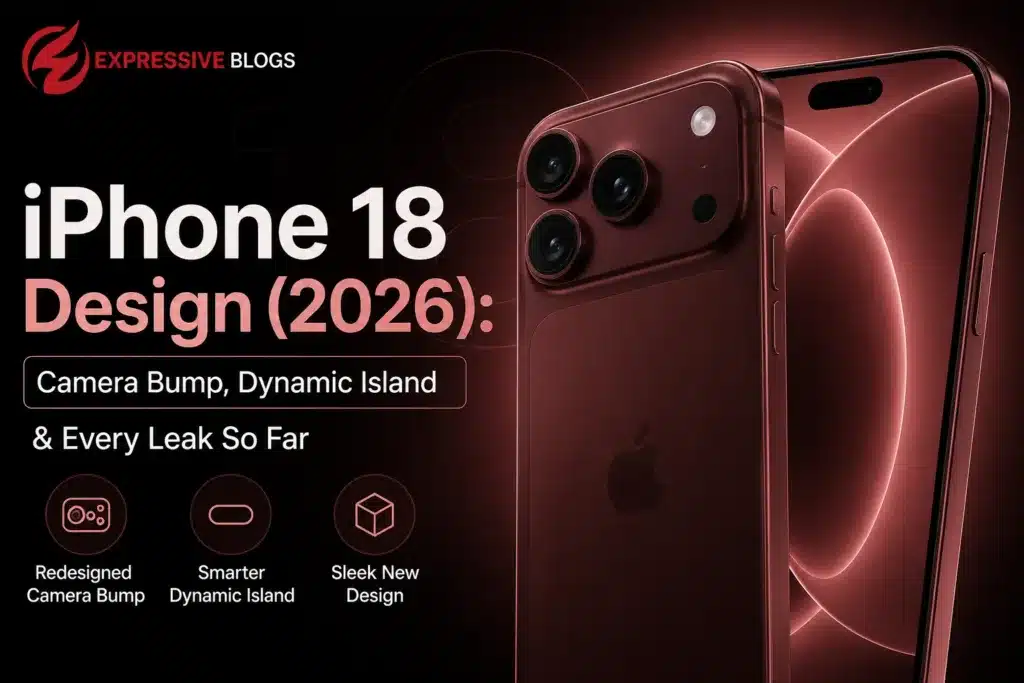
iPhone 18 Design: What Does the New iPhone Look Like?
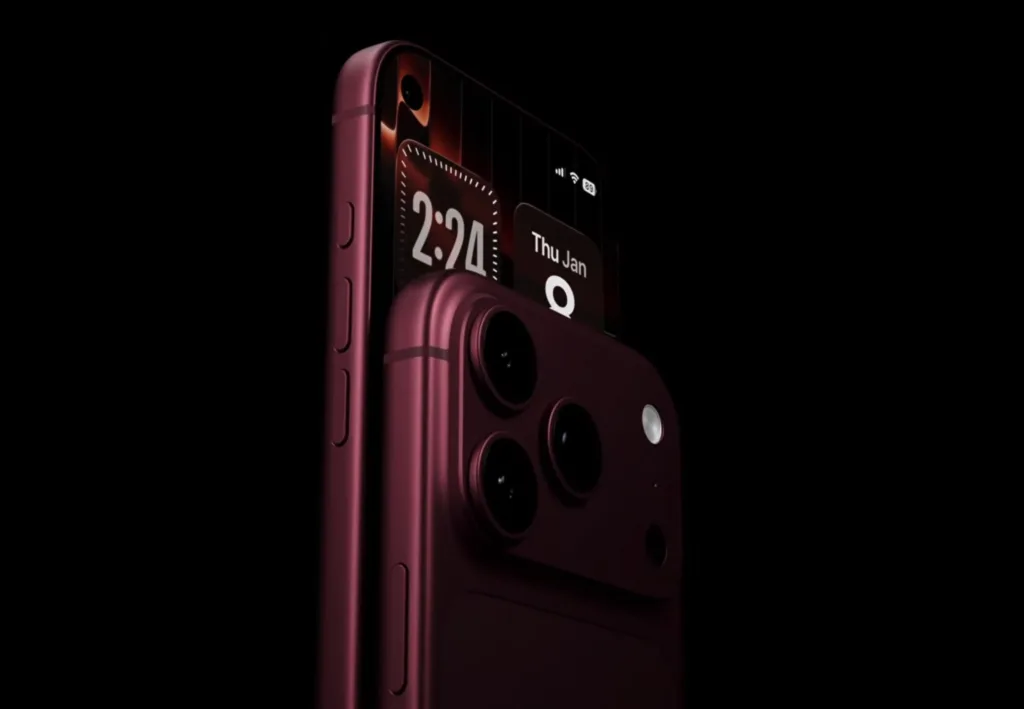
If you’re picturing a total redesign, scale that back. The design story for the standard iPhone 18 and the Pro models this year is closer to refinement than reinvention.
The most talked-about visual change is the shrinking Dynamic Island. Apple has reportedly figured out how to move Face ID sensors under the display itself, which means the pill-shaped cutout at the top of the screen can get smaller without losing functionality. It’s a change you’d notice the moment you pick up the phone, even if the rest of the shape feels familiar.
Beyond that, expect a bigger camera plateau on the Pro models to make room for upgraded sensors, screen sizes holding steady at 6.3 and 6.9 inches for the Pro line, and a body that some leakers suggest could be marginally thicker than the iPhone 17 Pro, though that particular rumor has been disputed by other sources, so treat it as unconfirmed.
For the full visual breakdown, including leaked dummy unit photos and comparisons to the iPhone 17 generation, our iPhone 18 design deep dive covers everything currently circulating.
iPhone 18 Camera Specs: Rumored Zoom and Wildlife Photography Gains
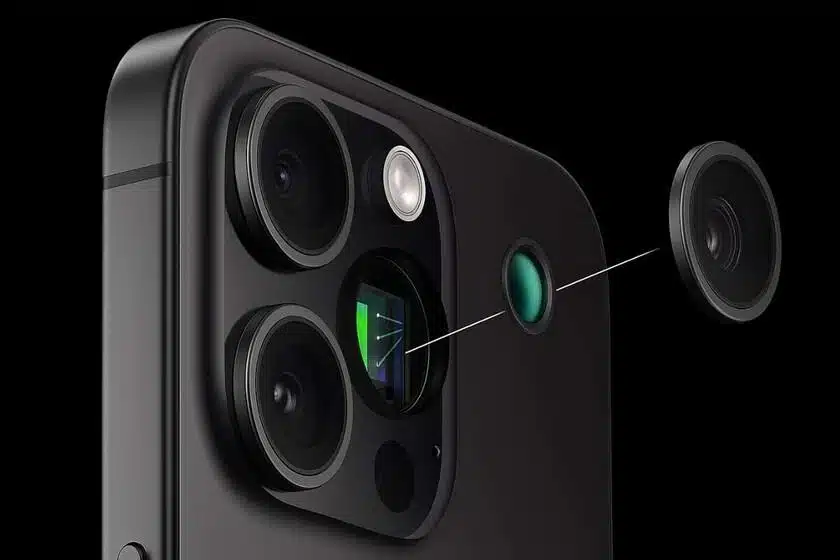
Camera hardware is where the iPhone 18 Pro rumors get the most interesting, and it’s also the area with the most competing claims.
The most consistently repeated rumor is a variable aperture lens a first for any iPhone. Right now, iPhone cameras have a fixed opening and rely on software to compensate for different lighting conditions. A variable aperture would give the camera actual mechanical control over how much light hits the sensor, similar to how a traditional camera lens works. The most tangible benefit for everyday shooters would likely be smoother, more natural-looking video in outdoor daylight, since the camera could physically reduce light intake instead of relying entirely on faster shutter speeds.
Zoom is the other big story. Leaked diagnostic logs point to a new sensor for the telephoto camera, and reports of a noticeably larger camera bump have fueled speculation about a bigger telephoto sensor or a more advanced periscope-style zoom system. For anyone who shoots from a distance, sports on the sideline, concerts, or wildlife photography where you can’t physically get closer to your subject, this is the upgrade that actually matters more than megapixel counts. Longer, cleaner optical reach means less digital cropping and less quality loss at higher zoom levels, which has historically been the weak point of even the best iPhone cameras compared to dedicated telephoto lenses.
That said, not every leak agrees. At least one report claims the telephoto and ultrawide sensors are carrying over largely unchanged from the iPhone 17 Pro Max, with the real upgrade concentrated in the variable aperture and a new primary sensor rather than a zoom overhaul. So there’s a real possibility the zoom improvements end up being more evolutionary than the “biggest camera leap in years” framing some outlets are using.
There’s also talk of Apple giving the built-in camera app itself an overhaul, moving beyond the fairly basic controls it’s offered for years. If that happens alongside the aperture and sensor changes, it would mark one of the more complete camera resets Apple has done in a while — hardware and software moving together instead of one dragging the other along.
For anyone specifically weighing whether to upgrade for photography reasons — travelers, hikers, or anyone regularly shooting distant subjects where getting physically closer isn’t an option — the practical question isn’t really the megapixel count on the spec sheet. It’s whether the wider telephoto aperture actually reduces noise and blur at long zoom distances in real conditions, since that’s historically been the gap between iPhone zoom shots and what a dedicated camera can produce. That detail hasn’t been nailed down by any leak yet, and it’s probably not going to be clear until reviewers get hands-on units close to launch.
We’re tracking every camera leak as it lands, including sensor sizes, aperture range, and how the rumored zoom performance compares generation over generation in a dedicated camera specs breakdown that we’ll link here once it’s live.
iPhone 18 Charger and Charging Speed
Charging tends to be one of the quieter upgrade categories each year, but it’s also one people search for constantly once a new model is close to launch, especially anyone deciding whether their existing charger and cables will still work.
We’ve put together a full breakdown of what’s expected on the charging side: wattage, cable requirements, and whether Apple is expected to include anything in the box in our separate iPhone 18 charger guide. If you’re planning your accessory budget ahead of launch, that’s the place to check before you buy anything new.
Latest iPhone 18 Leaks: What’s Been Confirmed vs. Still Rumored
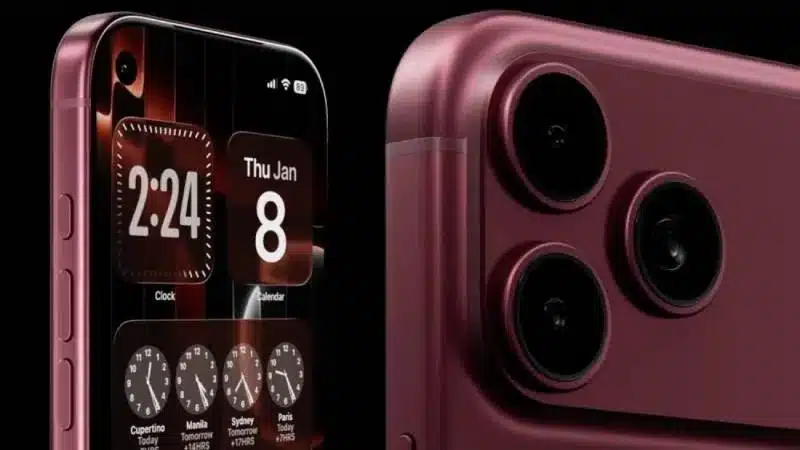
Because Apple hasn’t said a word publicly yet, everything below counts as a leak or informed prediction rather than fact. Here’s a quick sense of how reliable different pieces of the rumor picture currently are.
Leaks that multiple independent sources agree on (higher confidence):
- September 2026 launch for the iPhone 18 Pro, Pro Max, and the first foldable iPhone
- Standard iPhone 18 and iPhone 18e delayed to spring 2027
- A20 chip built on a 2-nanometer process
- Smaller Dynamic Island via under-display Face ID
- A new deep red/dark cherry color option for the Pro line
Leaks that are contested or still shifting (lower confidence):
- Exact pricing estimates range from no change to a $200 increase
- Whether the Pro models get noticeably thicker
- How significant the actual zoom upgrade will be
- Details of the foldable iPhone’s final name and pricing
New iPhone 18 leaks have been surfacing at a fast pace since supply chain production ramped up in the second half of 2026, and diagnostic logs from manufacturing partners have leaked more detail than usual this cycle. That’s generally a sign the hardware is close to final, even if Apple’s own announcement is still months away for part of the lineup.
It’s also worth understanding where these leaks actually come from, since not all sources carry the same weight. The most reliable tend to come from manufacturing and supply chain analysts who track component orders and factory activity months ahead of launch, people like Ming-Chi Kuo and firms like IDC, whose track record on things like unit forecasts and chip suppliers tends to hold up. Diagnostic software logs pulled from testing units at assembly partners are another strong source, since they reflect real hardware rather than guesswork, though they can miss last-minute design changes. Weaker signals include early dummy-unit photos, which are usually based on CAD files rather than final production units, and social media leakers whose accuracy varies wildly from person to person. When you see a rumor repeated across several of these source types independently, that’s generally when it’s worth taking seriously.
How This Launch Compares to Past iPhone Years
If you’ve followed Apple launches for a while, this year probably feels like a departure, and it is. Every iPhone since the 4s has landed in a single September event, with the full lineup announced together even when shipping dates are staggered by a week or two. The iPhone 18 breaks that pattern more significantly than any recent generation, effectively creating two separate launch cycles under one model name.
There’s a reasonable comparison to draw with how Apple introduced the iPhone X in 2017, a genuinely new, more expensive category of device launched alongside the expected annual upgrades, with the new hardware getting its own spotlight rather than being buried in a five-phone lineup. The difference this time is that the “new category” device, the foldable, isn’t replacing anything. It’s sitting on top of an already complex lineup that now includes a delayed standard model, an entry-level e-series phone, and a second Air generation, all releasing across two separate windows instead of one.
Whether this becomes Apple’s new normal or a one-year experiment tied specifically to the foldable’s production timeline is something only next year’s announcement will really answer.
iPhone 18 vs iPhone 17: Is It Worth Waiting?
If you’re using an iPhone 17 or older and wondering whether to upgrade now or hold out, the split launch actually makes this decision more complicated than usual.
If you were planning to buy a Pro model anyway, the calculus is fairly simple: the iPhone 18 Pro and Pro Max are on the normal September schedule, so there’s no reason to wait longer than you would in any other year. The chip upgrade, camera changes, and design refinements are enough to make it a worthwhile jump if you’re coming from an iPhone 15 or earlier.
If you typically buy the standard model, this year requires more patience. The regular iPhone 18 isn’t expected until spring 2027, which means anyone hoping to upgrade in the usual September window either needs to stretch their current phone a bit further or step up to a Pro model earlier than planned. Given that the standard model isn’t expected to bring major design changes, waiting is unlikely to cost you much in terms of missed features — it mostly just costs you time.
What About the Foldable iPhone Sharing the Stage?
It’s worth pausing on this, because the foldable iPhone is a big part of why this year’s launch looks so different. Apple is reportedly planning to unveil its first folding iPhone at the same September event as the iPhone 18 Pro and Pro Max, following a pattern similar to how it introduced the original iPhone X alongside more familiar models — a flagship reveal sitting next to the expected upgrades.
Early details point to a book-style fold with a smaller outer display and a larger inner screen around 7.8 inches, closer in shape to a small tablet than to Samsung’s taller folding phones. Pricing rumors put it near $2,000, which would make it comfortably the most expensive iPhone Apple has ever sold. Supply chain reports suggest Apple has told manufacturing partners to prepare for around 10 million units this year, a number that’s reportedly been revised upward from earlier estimates — a sign that internal confidence in the device has grown as launch approaches.
For most buyers, the foldable won’t be the realistic upgrade choice. But its presence at the same event explains a lot about why Apple restructured this year’s launch the way it did — splitting the standard iPhone 18 off gives the Pro models and the foldable room to be the headline story in September, without four or five devices competing for attention on the same stage.
Frequently Asked Questions About iPhone 18
When will the iPhone 18 be released?
The iPhone 18 Pro and iPhone 18 Pro Max are expected to launch in September 2026, while the standard iPhone 18 may arrive in spring 2027.
How much will the iPhone 18 cost?
The exact price has not been confirmed. Current reports suggest that iPhone 18 Pro pricing could either remain similar to the previous generation or increase by as much as $200.
What colors will the iPhone 18 Pro be available in?
Rumored colors include a deep red or dark cherry shade, light blue, dark gray, and silver. Apple has not officially confirmed the final color lineup.
Will the iPhone 18 have a better camera?
The iPhone 18 Pro models are rumored to receive camera improvements, potentially including a variable-aperture main camera and upgrades to the telephoto system for better long-distance photography.
What chip will the iPhone 18 use?
The iPhone 18 Pro models are expected to feature Apple’s A20 Pro chip, reportedly manufactured using a 2-nanometer process for improved performance and efficiency.
Will the iPhone 18 have a smaller Dynamic Island?
Yes, rumors suggest Apple could reduce the size of the Dynamic Island by moving some Face ID components under the display. However, this has not been officially confirmed.
Is it worth waiting for the iPhone 18?
If you are interested in the latest performance and camera upgrades, waiting may be worthwhile. However, iPhone 17 users may not need to upgrade immediately, especially if the rumored improvements are more evolutionary than revolutionary.
Conclusion
The iPhone 18 generation is shaping up to be one of the more unusual launches in recent Apple history, not because of one standout feature, but because of the split release itself. Whether you’re watching for the Pro models this September, waiting on the standard iPhone 18 next spring, or mainly curious about the foldable iPhone stealing the spotlight, the next several months are going to bring a steady stream of new leaks as launch day gets closer. We’ll keep this guide updated as official details replace the rumors.